Choosing the best espresso machine with flow control can make it easier to refine extraction, manage shot speed, and develop a more consistent brewing routine.
This roundup compares 10 machines across manual, semi-automatic, and automatic categories, including dual-boiler models, grinder-equipped systems, and compact countertop options.
Best 10 Espresso Machine with Flow Control Picks for 2026
Best for Manual Flow Profiling
Diletta Alto with Flow Control

- Manual flow valve and gauge
- Dual boilers with PID control
- Shot timer and adjustable OPV
Best For: Hands-on espresso profiling and advanced home baristas
Best All-in-One Setup

- Built-in conical burr grinder
- PID and low-pressure pre-infusion
- Manual microfoam steam wand
Best For: Convenient bean-to-cup espresso preparation
Best Dual-Boiler Alternative

- Dedicated brew and steam boilers
- PID controls and shot timer
- Accessible adjustable OPV
Best For: Traditional dual-boiler espresso with pressure adjustment
Best Fast-Heating Option
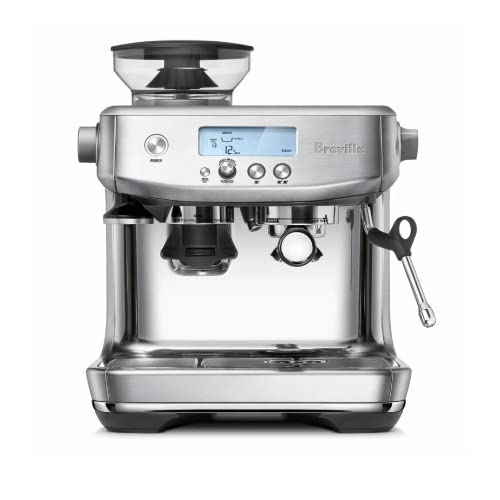
- ThermoJet heat-up in about 3 seconds
- Built-in grinder with adjustable grinding
- LCD-guided brewing interface
Best For: Fast, guided espresso and milk-drink preparation
Most Convenient
Magnifica Duo Automatic Espresso Machine

- 20 preset hot and iced drink recipes
- Automatic hot and cold milk frothing
- Built-in conical burr grinder
Best For: One-touch drinks for home or office use
Best True Flow Control

- Manual flow-control valve and pressure gauge
- Dual boilers with PID temperature control
- Shot timer and included bottomless portafilter
Best For: Experienced baristas exploring flow profiling
Best Built-In Grinder Value
AMZCHEF Espresso Machine With Grinder

- 44 adjustable grind settings
- 190°F–201°F temperature control
- One-touch cold-brew mode and steam wand
Best For: Home users tuning grind and temperature with ease
Best Compact Pick

- Low-pressure pre-infusion for balanced extraction
- Three-second ThermoJet heat-up
- Automatic adjustable milk steaming
Best For: Compact home setups and milk-based drinks
Best Easy-Use Option

- 15-bar pump for espresso-based drinks
- Stable Thermoblock temperature control
- Customizable single- and double-shot presets
Best For: Convenient preset brewing with adjustable milk frothing
Best Value Bambino
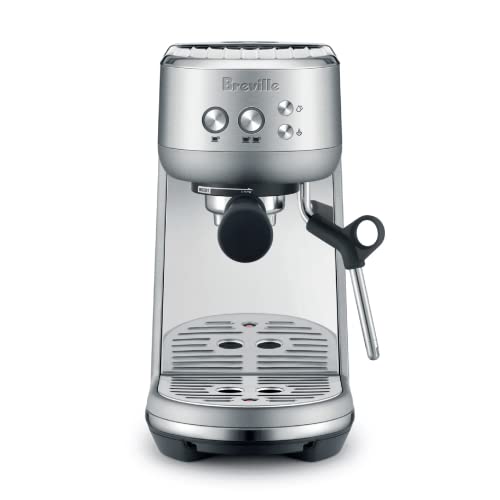
- Low-pressure pre-infusion for even extraction
- Three-second heating with ThermoJet
- Automatic steam wand with adjustable texture
Best For: Fast, compact espresso preparation at home or in an office
Best for Manual Flow Profiling – Diletta Alto with Flow Control
If you want an espresso machine with flow control for experimenting with extraction profiles, the Diletta Alto adds manual flow adjustment to a temperature-focused dual-boiler design. Its PID controls, shot timer, and adjustable OPV support hands-on dialing in, while the 58mm portafilter and included bottomless portafilter suit more advanced workflows.
Best For: Home baristas who want direct control over flow rate, brew temperature, and pressure.
Pros:
- Manual flow-control valve and pressure gauge enable declining-flow and turbo-shot techniques.
- Dual boilers provide dedicated brewing and steaming systems.
- PID controls, shot timer, adjustable OPV, and included bottomless portafilter support precise experimentation.
Cons:
- Its 40-pound weight and nearly 20-inch depth require substantial counter space.
- The listed brew warm-up time is about 22 minutes.
- Ground coffee must be dosed separately; there is no integrated grinder.
The Alto is the clearest match here for shoppers specifically seeking an espresso machine with flow control. Choose it when profiling shots matters more than a compact, quick-start setup.
Best All-in-One Setup – Breville Barista Express
The Breville Barista Express is not an espresso machine with flow control, but it offers a convenient alternative for buyers who prioritize an integrated grinder and straightforward manual brewing. Its low-pressure pre-infusion, PID temperature regulation, adjustable grind settings, and steam wand cover the essentials from whole bean to milk drinks.
Best For: Beginners and convenience-focused home baristas who want grinding and espresso preparation in one machine.
Pros:
- Integrated conical burr grinder doses coffee directly into the portafilter.
- PID temperature regulation and low-pressure pre-infusion support balanced extraction.
- Manual steam wand produces microfoam for cappuccinos, lattes, and latte art.
- Includes a 1/2-pound hopper, 67-ounce tank, and useful dosing and cleaning accessories.
Cons:
- It does not provide manual flow-rate control.
- The 54mm portafilter is smaller than the 58mm format used by the Diletta models.
- Its single-boiler-style all-in-one workflow is less suited to simultaneous brewing and steaming than a dual-boiler machine.
Consider the Barista Express if convenience and built-in grinding are more important than flow profiling. It is a practical entry point, but shoppers specifically targeting flow control should look elsewhere.
Best Dual-Boiler Alternative – Diletta Alto
Diletta Alto Espresso Machine | Dual Boiler | PID | Shot Timer | Adjustable OPV | (Black)
Check Price On AmazonThe standard Diletta Alto delivers the same core dual-boiler platform as its flow-control counterpart, making it a strong option for buyers who want PID stability and steam performance without manually adjusting flow. It includes an accessible adjustable OPV, shot timer, and 58mm portafilter for a more traditional but still highly configurable setup.
Best For: Home baristas who want a dual-boiler espresso machine with pressure adjustment but prefer conventional flow control.
Pros:
- Dedicated brew and steam boilers support temperature stability and milk-drink preparation.
- Front-mounted PID controls manage brew and steam temperatures.
- Accessible OPV allows customized brew pressure.
- Includes bottomless and standard portafilters, multiple baskets, and a backflushing basket.
Cons:
- It lacks the dedicated manual flow-control valve found on the flow-control version.
- The machine weighs 40 pounds and is nearly 20 inches deep.
- The listed brew warm-up time is about 22 minutes.
This Alto makes sense when dual-boiler performance and adjustable pressure are priorities, but manual flow profiling is not essential. If flow control is your defining requirement, the similarly named flow-control model is the better fit.
Best Fast-Heating Option – Breville Barista Pro
The Breville Barista Pro is another alternative rather than an espresso machine with flow control, pairing an integrated grinder with a fast ThermoJet heating system. Its PID regulation, low-pressure pre-infusion, LCD guidance, and manual steam wand make it approachable for daily espresso and milk drinks.
Best For: Busy home users who want quick heat-up, guided controls, and integrated grinding.
Pros:
- ThermoJet heating reaches extraction temperature in about 3 seconds and transitions quickly to steam.
- Integrated conical burr grinder provides on-demand dosing with adjustable grinding.
- LCD interface displays grinding and extraction progress for a more guided workflow.
- PID temperature regulation and low-pressure pre-infusion support consistent extraction.
Cons:
- It does not offer manual flow-rate control.
- The 54mm portafilter is smaller than the 58mm portafilter on the Diletta Alto.
- Its 2-liter water capacity is smaller than the Alto’s listed 3-liter capacity.
The Barista Pro is a sensible choice when speed and ease of use outweigh the need for flow profiling. For a true espresso machine with flow control, select a machine with a dedicated flow valve instead.
Most Convenient – Magnifica Duo Automatic Espresso Machine
If you want an espresso machine with flow control but prefer effortless drink preparation, the De’Longhi Magnifica Duo focuses on automated convenience instead. Its 20 preset hot and iced recipes, built-in grinder, and automatic milk frothing make it a practical choice for households that want variety with minimal manual work.
Best For: Home or office users who prioritize one-touch espresso, coffee, cold brew, and milk drinks.
Pros:
- Offers 20 preset hot and iced drink recipes.
- Combines espresso, drip coffee, and cold-brew brewing technologies.
- Includes LatteCrema Hot and Cool automatic milk frothing for dairy or plant-based milk.
- Features an integrated conical burr grinder and dishwasher-safe removable milk components.
Cons:
- Fully automatic operation provides less manual brewing control than a dedicated flow-control machine.
- Its 19.69-inch depth may require substantial counter space.
The Magnifica Duo is best viewed as a versatility-and-convenience alternative rather than a hands-on flow-profiling machine. Choose it if quick, repeatable drinks matter more than manually shaping extraction.
Best True Flow Control – Diletta Alto Espresso Machine
The Diletta Alto is the strongest match for shoppers specifically seeking an espresso machine with flow control. Its manually adjustable group valve lets you shape water flow to the puck, while dual boilers, PID temperature control, and a shot timer support precise, repeatable espresso preparation.
Best For: Experienced home baristas who want manual flow profiling, temperature management, and traditional espresso workflow.
Pros:
- Built-in flow-control valve and pressure gauge enable manual flow-rate adjustment.
- Dual boilers separately support brewing and steaming.
- PID controls manage brew and steam temperatures with precision.
- Includes a shot timer, bottomless portafilter, and 58mm portafilter setup.
Cons:
- Manual operation requires more skill and involvement than an automatic machine.
- Listed warm-up time is approximately 22 minutes.
- At 40 pounds, it is relatively heavy for a home countertop appliance.
With declining-flow and turbo-shot possibilities, the Alto offers the most direct control in this lineup. Its longer warm-up and manual workflow are reasonable trade-offs for espresso enthusiasts who want to experiment with extraction.
Best Built-In Grinder Value – AMZCHEF Espresso Machine With Grinder
The AMZCHEF is a versatile semi-automatic option for shoppers comparing an espresso machine with flow control against broader bean-to-cup adjustments. Although the supplied features emphasize temperature, grind, and timing control rather than manual flow profiling, its 44 grind settings and adjustable brewing temperature give enthusiasts useful ways to tune extraction.
Best For: Beginners and home coffee enthusiasts who want an integrated grinder, adjustable temperature, and straightforward controls.
Pros:
- Provides 44 grind settings for fine-to-coarse brewing adjustments.
- Offers precision temperature control from 190°F to 201°F.
- Includes a one-touch cold-brew mode and a 60-ounce water tank.
- Its steam wand is designed for silky microfoam and latte art.
Cons:
- It is semi-automatic, so preparation requires more user input.
- The supplied specifications do not identify a dedicated manual flow-control valve.
- The listed coffee input capacity is 6 ounces.
The AMZCHEF makes sense when grind and temperature flexibility are more important than dedicated flow profiling. It is a compact way to get an integrated grinder, steam wand, touchscreen operation, and cold-brew capability in one machine.
Best Compact Pick – Bambino Plus
If you want an espresso machine with flow control features for more balanced extraction, the Breville Bambino Plus is a compact semi-automatic option. Its low-pressure pre-infusion, PID temperature regulation, three-second ThermoJet heat-up, and automatic milk steaming make it well suited to home baristas.
Best For: Home users who want fast, compact espresso preparation and convenient automatic microfoam.
Pros:
- Low-pressure pre-infusion gradually increases pressure for even flavor extraction.
- PID temperature control supports consistent brewing temperature.
- Automatic steam wand offers adjustable milk temperature and texture.
- Compact 7.7-inch-wide design fits smaller countertops.
Cons:
- It is designed for ground coffee rather than built-in grinding.
- Semi-automatic operation still requires manual portafilter preparation.
The Bambino Plus is a strong choice when speed, countertop space, and milk-drink convenience matter. It offers useful extraction control, though it is not a fully hands-off machine.
Best Easy-Use Option – De'Longhi Classic Signature
The De’Longhi Classic Signature is a practical espresso machine with flow control support through its 15-bar pump and stable Thermoblock temperature system. Customizable single- and double-shot presets simplify brewing, while the adjustable steam wand handles both steamed milk and microfoam.
Best For: Users who prefer preset espresso recipes with the option to adjust milk texture manually.
Pros:
- 15-bar Italian pump is designed for espresso, lattes, cappuccinos, and other drinks.
- Thermoblock technology provides fast, stable temperature control.
- Two-setting steam wand supports steamed milk and microfoam.
- Customizable single- and double-shot presets streamline brewing.
Cons:
- The one-year warranty is shorter than some competing options.
- It uses ground coffee and does not include an integrated grinder.
- Its listed dimensions may require more counter depth and height.
This model suits buyers who want straightforward controls without giving up manual milk adjustment. Its preset recipes favor convenience, while the steam wand adds flexibility for café-style drinks.
Best Value Bambino – Breville Bambino
The Breville Bambino is a compact espresso machine with flow control-oriented features, including low-pressure pre-infusion and PID temperature regulation. It reaches extraction temperature in three seconds and includes an automatic steam wand, making it a straightforward choice for home or office use.
Best For: Buyers seeking a compact, fast-heating semi-automatic machine with automatic milk texturing.
Pros:
- Low-pressure pre-infusion helps draw out flavors evenly.
- PID regulation supports precise extraction temperature.
- ThermoJet heating reaches the target temperature in three seconds.
- Automatic steam wand produces adjustable-temperature microfoam.
Cons:
- It has a shorter one-year limited warranty.
- It does not include an integrated coffee grinder.
- Its manual, semi-automatic workflow requires hands-on preparation.
The Bambino delivers many of the core convenience features needed for fast home espresso in a small footprint. It is a good fit for buyers who want controlled extraction and automatic steaming without moving to a larger machine.
How We Picked the Best Espresso Machine with Flow Control
We evaluated the selected machines by looking at brew-control features, temperature management, grinder and milk-steaming capabilities, ease of use, size, and likely buyer fit. Adjustable pressure or flow-related controls received particular attention, but we also considered whether each machine offers a practical overall workflow for home espresso.
Because these models vary substantially, the list includes machines for hands-on enthusiasts as well as buyers who prioritize convenience. Features such as PID temperature control, dual boilers, shot timers, adjustable OPV systems, integrated grinders, automatic milk functions, and compact designs helped distinguish the options.
Quick Comparison
| Best For | Features to Look For | Likely Match |
|---|---|---|
| Maximum brewing control | Dual boiler, PID, flow or pressure adjustment | Diletta Alto with Flow Control |
| All-in-one preparation | Integrated grinder and guided controls | Breville Barista Express or Barista Pro |
| Fast, compact espresso | Quick heat-up and automatic milk texturing | Breville Bambino or Bambino Plus |
| Convenient drinks | Automatic brewing and milk functions | De’Longhi Magnifica Duo |
| Budget-friendly versatility | Built-in grinder and adjustable settings | AMZCHEF Espresso Machine With Grinder |
Key Buying Factors for an Espresso Machine with Flow Control
Understand What “flow Control” Means
Flow control can refer to a dedicated system for adjusting water delivery during extraction, while some listings emphasize related pressure controls such as an adjustable OPV. Confirm the exact adjustment method and whether it can be changed during a shot. A machine with more control is not automatically easier to use; it typically rewards better grinding, dosing, and puck preparation.
Check Temperature and Boiler Design
PID regulation can help maintain a stable brewing temperature, while a dual-boiler design allows brewing and steaming with less waiting. Single-boiler and thermoblock machines may be more affordable and compact, but they can involve compromises when switching between espresso and milk steaming.
Decide Whether You Need an Integrated Grinder
An integrated grinder saves counter space and simplifies setup, but a separate grinder may provide more upgrade flexibility. Look for useful grind adjustment, consistent dosing, and easy access for cleaning rather than focusing only on the number of settings.
Consider Milk Workflow, Size, and Maintenance
Frequent milk-drink preparation makes steam power, automatic frothing, and recovery time important. Also measure available counter depth and height, including room for the hopper or water tank. Regular backflushing, descaling, grinder cleaning, and steam-wand maintenance are essential for reliable performance.
Who Should Buy Which Espresso Machine with Flow Control?
Choose the Diletta Alto with flow control if you want the most direct control over extraction and are comfortable learning a more hands-on process. The standard Alto is a sensible alternative if you want dual-boiler and PID benefits without prioritizing flow adjustment.
Choose the Breville Barista Express or Barista Pro for an all-in-one setup with an integrated grinder and guided controls. The Pro is better suited to buyers who value faster operation and a more modern interface.
The Bambino Plus is a strong choice for compact convenience and automatic milk texturing, while the Bambino suits buyers who want a smaller, simpler machine. Consider the De’Longhi Magnifica Duo for automatic drink preparation, the De’Longhi Classic for straightforward manual milk frothing, or the AMZCHEF model for an affordable grinder-equipped starting point.